
Henrik Aulbach est un rédacteur santé expérimenté avec plus de 10 ans d’expérience, expert en principes actifs végétaux et en culture, cofondateur, auteur et rédacteur indépendant spécialisé dans le domaine de la santé depuis 2020.
Découvrez ici plus d’informations sur cet auteur.

Véritable millepertuis : effets, utilisation et dosage
Tout sur le millepertuis véritable

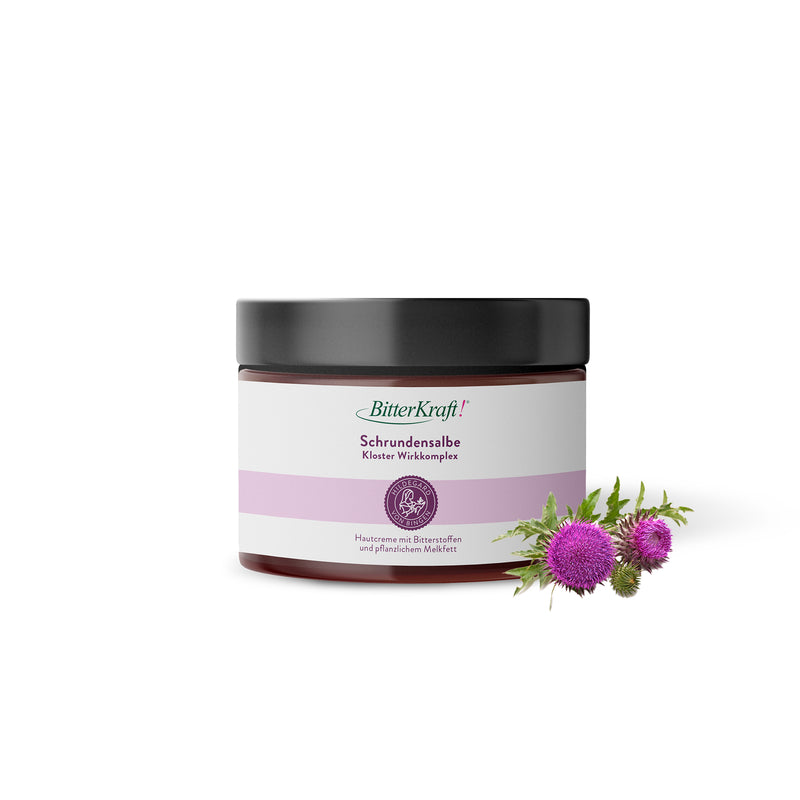
Hildegards Tipp:
- Pflegende Salbe für raue und rissige Haut
- Rezeptur auf Basis von 800 Jahren Klosterwissen
- Bitterkraft – der Pionier seit 1996 von 4.000 Heilpraktikern verwendet!
- Beste Naturheilkunde: Bio & vegan
Occurrence of St. John's Wort
True St. John's Wort (Hypericum perforatum) botanically belongs to the St. John's Wort family. It thrives in Europe, Western Asia, and North Africa. But it also grows abundantly in other parts of the world today. In Europe, no other plant of the genus is as widespread as True St. John's Wort – at forest and meadow edges, on embankments and forest clearings, even in the city and on railway ballast.
The plant, known by many names, loves partial shade and moderately warm to high temperatures. True St. John's Wort avoids acidic soil; instead, it prefers a nitrogen-poor substrate that can be slightly moist but also dry.
Effects of St. John's Wort
As widespread as True St. John's Wort is, its applications are equally broad. Due to its beneficial effects, it was already recognized as a medicinal plant in antiquity. As tea or tincture, it was supposed to help with menstrual complaints and also with mood swings caused by puberty.
Today, we know more about the effects of True St. John's Wort and can attribute to it great medical potential: especially as a herbal sedative and antidepressant – it is among the phytopharmaceuticals most commonly used for these purposes in Europe. The German Society for Psychiatry and Psychotherapy, Psychosomatics and Neurology (DGPPN) lists it for optional treatment of depression. In 2015, scientists at the University of Würzburg named the herb the Medicinal Plant of the Year.
Ingredients of St. John's Wort
The ingredient responsible for the medicinal effect of True St. John's Wort and its use as an antidepressant is considered to be hyperforin. In addition, the plant contains 2 to 4 percent other flavonoids and bioflavonoids. Essential oils form additional ingredients.
Appearance of St. John's Wort
The plant, considered a weed outside of targeted cultivation, grows up to 100 cm tall. The stems branch increasingly upwards. True St. John's Wort can be recognized by its long, pointed leaves. The golden flowers consist of five petals.
Interesting facts about St. John's Wort
Its name goes back to John the Baptist, in whose honor St. John's Day is celebrated on June 24th. This is the time when True St. John's Wort begins to bloom. Although the plant has a wide range of applications, its individual components are toxic.

À propos de l’auteur Henrik Aulbach
Weitere Artikel
Amers amers avant le repas : pourquoi l'ordre est crucial
Amers amers pour l'estomac avant le repas » Selon Hildegard von Bingen ✓ Sans additifs ✓ Fabriqué en Allemagne – En savoir plus maintenant
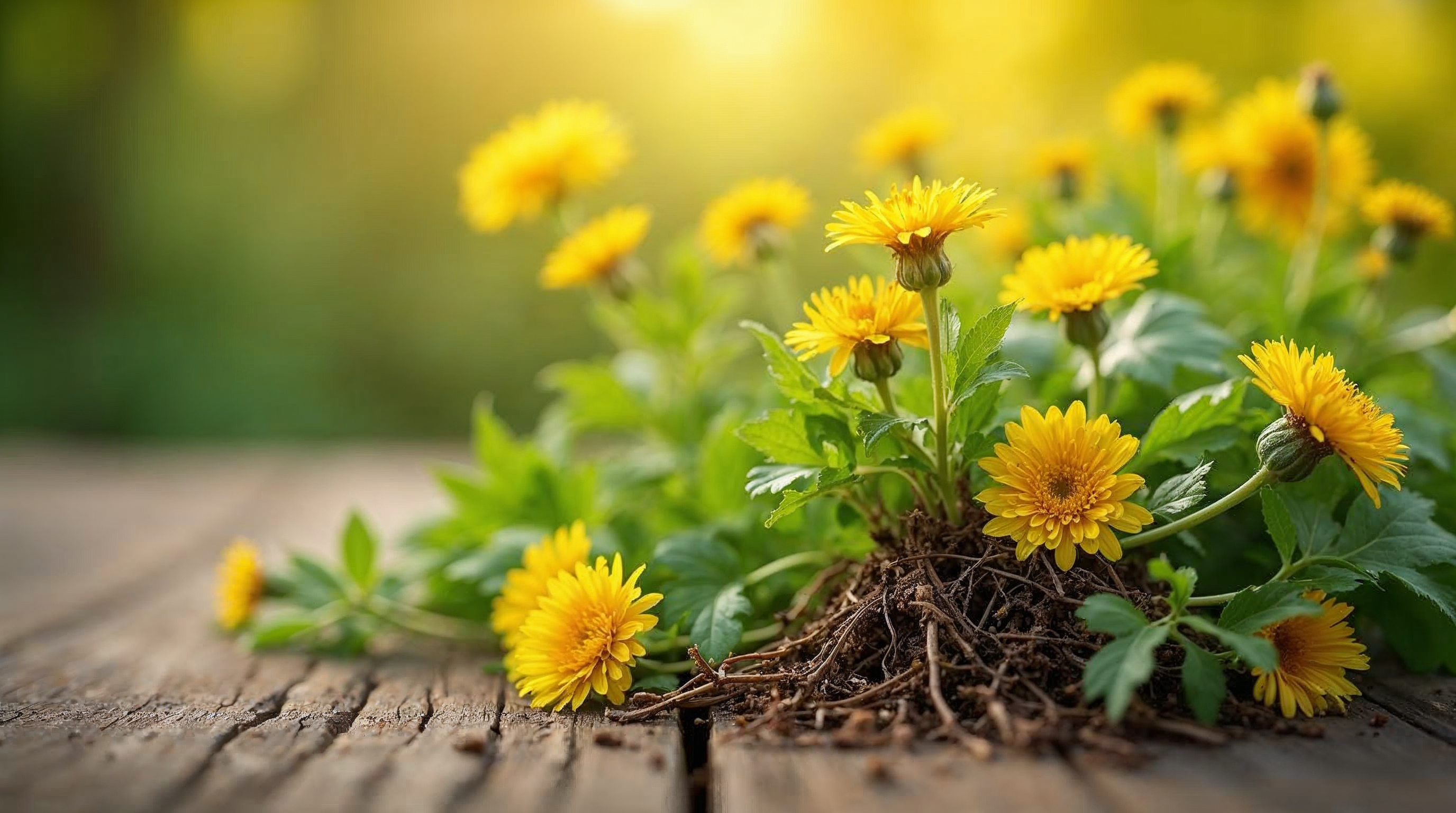
Smoothies riches en amers : recettes vertes pour bien démarrer la digestion le matin
Smoothies aux amers pour le matin » Selon Hildegarde de Bingen ✓ Végan ✓ Sans additifs – Découvrez les recettes maintenant !
Les recettes d'épeautre de Hildegard von Bingen pour une digestion saine
Recettes d'épeautre de Hildegard von Bingen » Selon Hildegard von Bingen ✓ Sans additifs ✓ Certifié bio – Découvrez maintenant