

Henrik Aulbach est un rédacteur santé expérimenté avec plus de 10 ans d’expérience, expert en principes actifs végétaux et en culture, cofondateur, auteur et rédacteur indépendant spécialisé dans le domaine de la santé depuis 2020.
Découvrez ici plus d’informations sur cet auteur.

Pfefferkraut : effets, utilisation et posologie
Tout sur la pimprenelle

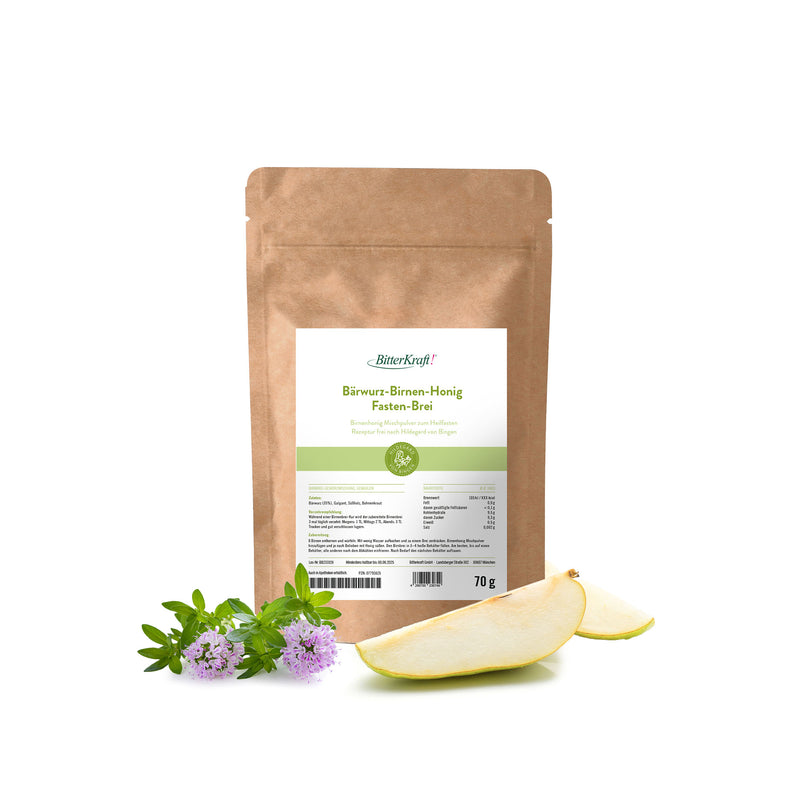
Hildegards Tipp:
- Fein abgestimmte Gewürzmischung mit Süßholz und Galgant
- Rezeptur auf Basis von 800 Jahren Klosterwissen
- Bitterkraft – der Pionier seit 1996 von 4.000 Heilpraktikern verwendet!
- Beste Naturheilkunde: Bio & vegan
Occurrence of Pepperweed
Pepperweed (Lepidium latifolium) is a plant species belonging to the genus cress.
Due to its close relation to the better-known garden cress, the plant is also called perennial cress, because it is perennial. The native habitat of these herbaceous plants is the European and Asian coasts, especially the northwest coasts of Europe. Here, the herb prefers salty sandy or clay soils such as dunes. In the interior of Europe and Asia, pepperweed is less common. It can sometimes be found in meadows near rivers. At the beginning of the 20th century, it spread beyond the Eurasian region to North America.
Ingredients of Pepperweed
Mustard glycosides, essential oils as well as bitter substances and lepidin are important ingredients of pepperweed.
Effects of Pepperweed
Although pepperweed is rather little known, it is excellent for use in the kitchen. Its taste resembles that of the related garden cress, but it can add more spiciness. As young, freshly picked leaves, pepperweed tastes good with potatoes, quark, and egg dishes and also makes a great addition to salads. Older leaves can be prepared like vegetables, and even the rootstock of pepperweed can be used culinarily – in this respect, the herb is similar to horseradish.
In her books, the herbalist Hildegard von Bingen attributed various healing effects to pepperweed in the Middle Ages. For example, she used it as an important ingredient in her Bärwurz spice mixture. However, today it is assumed that the saint did not mean pepperweed in her descriptions but possibly referred to savory, which is often called pepperweed in folk language. Which plant Hildegard von Bingen actually referred to in her writings is still not clearly clarified.
Appearance of Pepperweed
Despite its relation to other cress species, pepperweed shows clear differences in appearance compared to other representatives. Unlike other cresses, pepperweed grows perennially and withstands winter. It develops flower spikes up to one meter high, which remain rather inconspicuous despite their height. In winter, the herb retreats into the ground and sprouts anew in spring at a different location.

À propos de l’auteur Henrik Aulbach
Weitere Artikel
Amers amers avant le repas : pourquoi l'ordre est crucial
Amers amers pour l'estomac avant le repas » Selon Hildegard von Bingen ✓ Sans additifs ✓ Fabriqué en Allemagne – En savoir plus maintenant
Smoothies riches en amers : recettes vertes pour bien démarrer la digestion le matin
Smoothies aux amers pour le matin » Selon Hildegarde de Bingen ✓ Végan ✓ Sans additifs – Découvrez les recettes maintenant !
Les recettes d'épeautre de Hildegard von Bingen pour une digestion saine
Recettes d'épeautre de Hildegard von Bingen » Selon Hildegard von Bingen ✓ Sans additifs ✓ Certifié bio – Découvrez maintenant